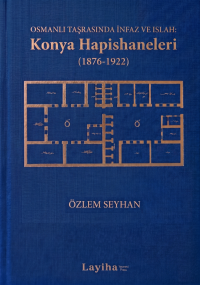
Execution and Rehabilitation in the Ottoman Provinces: The Prisons of Konya (1876–1922)
Keywords:
Ottoman Prisons, Penal and Execution System, Prison Reform, Ottoman Provinces, Konya ProvinceSynopsis
This book is a comprehensive study that examines the transformation of the prison institution in the late Ottoman Empire through the case of the Konya province. Moving beyond a conventional urban or institutional history, the work seeks to reveal how Ottoman modernization manifested itself in the field of criminal justice. In this respect, it evaluates the implementation, achievements, and limitations of reform policies that accelerated after the Tanzimat period, relying on concrete historical data.
The book opens with a discussion of the historical background of crime and punishment, drawing attention to the role of penal practices in maintaining social order and consolidating authority. The gradual shift from corporal punishment to imprisonment is interpreted as part of a broader transformation associated with the emergence of the modern state. The influence of European models of incarceration on the Ottoman system, and their institutionalization through the Prison Regulation of 1880, provide the theoretical framework of the study. At the same time, the work highlights the gap between reformist ideals formulated at the imperial center and their practical application in the provinces.
The first chapter offers a detailed analysis of prisons within the borders of the Konya province. It examines the physical structures, locations, and uses of prisons in the provincial center as well as in districts and subdistricts. The findings demonstrate that most of these facilities fell short of contemporary standards. Many prisons were in poor condition, inadequately maintained, and vulnerable in terms of security. Deficiencies in spatial organization, infrastructure, and living conditions directly affected the daily lives of inmates. This chapter also addresses issues of health and finance, revealing that prisons suffered from serious architectural, administrative, and fiscal challenges.
The second chapter focuses on repair and reform efforts carried out in these institutions. Drawing on archival sources, it presents a detailed account of the types of renovations deemed necessary, the budgets requested, and the extent to which these demands were met. Although the Ottoman administration demonstrated a clear intention to improve prison conditions, financial constraints and bureaucratic inefficiencies often limited the scope of these efforts. The persistence of repair needs without achieving lasting structural change emerges as a key obstacle to the establishment of a modern penal system in the provinces.
The third chapter turns to the human dimension of the prison system, concentrating on inmates and prison personnel. It provides a sociological overview of Konya’s prisons through an analysis of crime categories, prisoner profiles, and statistical data. Issues such as prisoner transfers, escapes, and amnesties shed light on the functioning of the system. Chronic overcrowding, weak security, and insufficient supervision contributed to frequent escape incidents, while transfers between prisons were employed as temporary solutions. The role of prison staff, particularly wardens and guards, is also examined, with attention to their limitations and their impact on institutional functioning.
The final chapter addresses women’s prisons, an area that appears comparatively neglected within the Ottoman penal system. It analyzes the physical conditions, types of offenses, and health situations of female inmates, showing how gender shaped the experience of imprisonment. This section offers important insights into the specific characteristics and constraints of penal practices applied to women in the Ottoman context.
Overall, the study demonstrates that the Ottoman state made a sustained effort to modernize its prison system, yet these efforts did not achieve the desired level of success in the provinces. While prisons were conceived in theory as institutions of reform, in practice they often functioned as mere places of confinement. Financial shortages, administrative weaknesses, lack of trained personnel, and infrastructural deficiencies significantly hindered the implementation of modern penal principles. Nevertheless, the process reflects a notable shift in penal mentality, marked by the growing acceptance of rehabilitation as a goal alongside punishment.
With its rich archival foundation and detailed analysis, this work makes a significant contribution to the study of Ottoman legal and penal history. By focusing on the Konya province, it provides both a nuanced local perspective and a broader understanding of prison reform across the Ottoman Empire. The book will be of value to scholars in history, law, sociology, and criminology.
References
Arşiv Kaynakları
Dâhiliye Nezareti Mebâni-i Emiriye ve Hapishaneler Müdüriyeti (DH. MB. HPS) Nr. 112/7; 47/12; 2/25; 112/7; 36/3; 36/3; 116/38; 112/7; 66/62; 14/66; 144/17; 63/18; 51/3; 52/15; 55/6; 57/43; 1552/55; 60/9; 63/44; 63/18; 62/40; 14/66; 105/32; 57/43; 34/75; 104/2; 49/12; 108/14; 16/44; 52/15; 55/57; 93/21; 154/14; 93/21; 144/74; 42/19; 47/12; 48/10; 45/50; 47/65; 14/66; 144/80; 93/21; 154/14; 63/44; 36/3; 154/14; 34/75; 45/50; 49/24; 14/66; 2/25; 72/18.
Dâhiliye Nezareti Mebâni-i Emiriye ve Hapishaneler Müdüriyeti Muavinliği (DH. MB. HPS. M) Nr. 35/51; 37/69; 10/15; 51/42; 35/110.
Dâhiliye Nezareti Islahat (DH. TMIK. S) Nr. 22/77; 26/14; 31/10; 29/36; 53/15; 62/10; 31/10; 31/10; 31/10; 21/49; 22/77; 53/15.
Dâhiliye Nezareti Mektûbî Kalemi (DH. MKT) Nr. 845/44; 943/58; 943/58; 2896/37; 1772/82; 597/44; 1693/114; 1611/27; 1492/98; 1853/114; 1374/79; 1274/30; 2571/129; 2896/37; 1398/61; 1374/79; 1581/94; 1614/43; 1706/67; 1660/55; 1611/27; 1358/ 102; 1611/27; 1686/69;
Şura-ı Devlet (ŞD) Nr. 2547/42; 423/554; 02547/42; 2698/26; 2686/22; 2698/26.
Bâb-ı Âli Evrak Odası (BEO) Nr. 2770/207749; 2396/179631; 2223/166661; 1911/143254.
İrade Dahiliye Nezareti (İ. DH.) 623/43343
İrade Şura-ı Devlet (İ. ŞD) Nr.83/4933.
Konya Tapu Ve Kadastro V. Bölge Müdürlüğü Arşivi 115 Pafta, 488 Ada, 3 Parsel, 120 Sayfa Tapu Kütüğü.
Araştırma ve İnceleme Eserler
Akduman, İrem – Gökhan Oral; “Cezaevlerinde Cinsel Taciz ve Tecavüz olayları”, Hapishane Kitabı, Kitabevi Yayınları, İstanbul 2010.
Aksu, Şener; “Otorite-Yaşamalanı İlişkisinde Hapishanenin Yeri”, Hapishane Kitabı, Kitabevi Yayınları, İstanbul 2010, s. 59 – 68.
Aslan, Taner ;“II. Meşrutiyet Dönemi Genel Af Uygulamaları”, Akademik Bakış, Kış 2009, C.3, S. 5, s. 41 – 60.
Ata, Ferudun; “Mütareke Döneminde İtilâf Devletlerinin Hapishanelere Müdahaleleri ve Gayrimüslim Mahkûmları Tahliye Etmeleri”, Atatürk Araştırmaları Merkezi Dergisi, C. 20. S. 60. Kasım 2004, s. 727 – 743.
Atar, Fahrettin, İslam Adliye Teşkilatı, Diyanet İşleri Başkanlığı Yayınları, Ankara 1991.
Atar, Zafer; “20. Yüzyıl Başlarında İstanbul Hapishane-i Umumi’de Mahkûmların Üretim Faaliyetleri”, SDÜ Fen Edebiyat Fakültesi Sosyal Bilimler Dergisi, Nisan 2015, S. 34, s. 19-34.
Atar, Zafer; “20. Yüzyılın Başlarında Turgutlu Hapishanesinin Genel Durumu”, Celal Bayar Üniversitesi sosyal Bilimler Dergisi, 2011, C. 9. S.1, s. 87 – 102.
Bahar, Halil İbrahim; “Hapishaneler, Sorunlar ve Çözüm Arayışları, Hapishane Kitabı, Kitabevi Yayınları, İstanbul 2010, s. 41 – 58.
Bozkurt, Gülnihal; Batı Hukukunun Türkiye’de Benimsenmesi - Osmanlı Devleti’nden Türkiye Cumhuriyeti’ne Resepsiyon Süreci (1839-1939), TTK Yayınları, Ankara 2010.
Bozkurt, Nurgül; “XX. Yüzyıl Başlarında Kütahya Hapishanesinin Genel Durumu”, Uluslararası Sosyal Araştırmalar Dergisi, C.5, S.21, Bahar 2012, s. 261 – 277.
Demirel, Fatmagül; “Osmanlı Adliye Teşkilatında Yaşanan Sorunların Hapishanelere Yansıması (1876-1909)”, Osmanlı’da Asayiş, Suç ve Ceza 18. – 20. Yüzyıllar, Tarih Vakfı Yurt Yayınları, İstanbul, s. 190 – 199.
Demirtaş, Timur; “Hürriyeti Bağlayıcı Cezaların ve Cezaevlerinin Evrimi”, Hapishane Kitabı, Kitabevi Yayınları, İstanbul 2010, s. 3 – 40.
Foucault, Michel; Hapishanenin Doğuşu, İmge Yayınları, Ankara 2015.
Gazel, Ahmet Ali; “Tanin Muhabiri Ahmet Şerif Beyin Notlarında Osmanlı Hapishaneleri”, Hapishane Kitabı, Kitabevi Yayınları, İstanbul 2010, s. 143 – 151.
Gönen, Yasemin Saner; “Osmanlı İmparatorluğu’nda Hapishaneleri İyileştirme Girişimi”, Hapishane Kitabı, Kitabevi Yayınları, İstanbul 2010, s. 173 – 183.
Gümüşsoy, Emine; “19. Yüzyıl Sonu ve 20. Yüzyıl Başlarında Gebze Hapishanesi”, Uluslararası Akça Koca ve Kocaeli Sempozyumu Bildirileri, C. 2, Kocaeli 2015, s. 1005 – 1018.
Gümüşsoy, Emine; “Osmanlı Devleti’nin Son Dönemlerinde Eskişehir Hapishanesi”, Tarih Okulu Dergisi, Aralık 2014, Yıl 7, S. 20, s. 215 – 249.
İleri, İlay; “Batı Gözüyle Meşrutiyet Kutlamaları ve Genel Af”, Ankara Üniversitesi Osmanlı Tarihi Araştırma ve Uygulama Merkezi Dergisi, S. 14, s. 1 - 10.
Kanat, Cüneyt; Ortaçağ Türk Devletlerinde Suç ve Ceza, Küre Yayınları, İstanbul 2013.
Karaca, Ali; “XIX. Yüzyılda Osmanlı Devletinde Fahişe Hatunlara Uygulanan Cezalar: Hapis ve Sürgün”, Hapishane Kitabı, Kitabevi Yayınları, İstanbul 2010, s. 152 – 162.
Kızılkan, Ayşe Özdemir; Osmanlıda Kadın Hapishaneleri ve Kadın Mahkûmlar, (Süleyman Demirel Üniversitesi, Sosyal Bilimler Enstitüsü, Kamu Yönetimi Anabilim Dalı, Yayımlanmamış Doktora Tezi), Isparta 2011.
Kızmaz, Zahir; “Cezaevinin ve Hapsetmenin Suçu Engellemedeki Etkisi”, Dumlupınar Üniversitesi Sosyal Bilimler Dergisi, S. 17, s. 44 – 68.
Kortantamer, Samira; “Memluklerde Hapishaneler”, Hapishane Kitabı, Kitabevi Yayınları, İstanbul 2010, s. 94- 96.
Orat, Jülide A. – Fadimana Çelik; “Diyarbakır Vilayeti Hapishaneleri”, Sosyal Bilimler Enstitüsü Dergisi, S. 7, İlkbahar 2011, s. 73 – 95.
Önder, Mehmet; Milli Mücadelede Konya Delibaş Hadisesi, Yeni Kitap Basımevi, Konya 1953.
Özçelik, Mücahit; “Mütareke Dönemi’nde Osmanlı Hapishanelerinin Durumu”, Cumhuriyet Tarihi Araştırmaları Dergisi, Güz 2011, Yıl 7, S. 14, s. 16 – 39.
Öztürk, Necdet; “Osmanlı’da Hapis Olayları ( 1300-1512)” Hapishane Kitabı, Kitabevi Yayınları, s. 101 – 129.
Saner, Yasemin; “Osmanlı’nın Yüzlerce Yıl Süren Cezalandırma ve Korkutma Refleksi: Prangaya Vurma”, Osmanlı’da Asayiş, Suç ve Ceza 18 – 20 Yüzyıllar, Derleyenler, Noemi Levy- Alexandre Toumarkıne, Tarih Vakfı Yurt Yayınları, İstanbul 2007, s. 163 – 189.
Saygılı, Abdullah; “Mikro İktidarın Bir Fiziği: Hapishane”, Ankara Üniversitesi Hukuk Fakültesi Dergisi, 2004, C. 53, S. 2, s, 177 – 196.
Şen, Hasan; “Osmanlı’da Hapishane Meftumu”, Osmanlı’da Asayiş, Suç ve Ceza 18.- 20. Yüzyıllar, Derleyen: Levy Noemı – Alexandre Toumarkıne, Tarih Vakfı Yurt Yayınları, Ankara 2001, s. 200 – 211.
Şen, Ömer; Osmanlı’da Mahkûm Olmak, Kapı Yayınları, İstanbul 2007.
Tanış, Cihat; Meşrutiyetten Cumhuriyete Türkiye’de Siyasi Af (1908-1923), (Selçuk Üniversitesi Sosyal Bilimler Enstitüsü Tarih Anabilim Dalı Atatürk ilkeleri ve İnkılâp Tarihi Bilim Dalı, Yayınlanmamış Doktora Tezi) Konya 2016.
Tekin, Saadet – Sevilay Özkes; “Cumhuriyet Öncesi Türkiye’de Hapishane Sorunu”, Çağdaş Türkiye Tarihi Araştırmaları Dergisi, 2008, C. 7, S. 16-17, s. 187 – 201.
Tekin, Saadet; “Dr. Poliçe Bey’in 1918 Tarihli Raporuna Göre Berlin Ve Aydın Vilayeti Hapishanelerine Genel Bir Bakış”, http://dergiler.ankara.edu.tr/dergiler/19/1348/15623.pdf, Erişim Tarihi: 10.08.2016, s. 205 – 221.
Tekin, Saadet; “Osmanlı’da Kadın ve Kadın Hapishaneleri”, Ankara Üniversitesi Dil ve Tarih – Coğrafya Fakültesi Tarih Bölümü Tarih Araştırmaları Dergisi, Ankara 2010, C. 29, S. 47, s. 83 – 102.
Tekin, Saadet;“XX. Yüzyılın Başlarında Aydın Vilayeti ve Mülhakatındaki Hapishanelerin Genel Durumu”, Celal Bayar Üniversitesi Sosyal Bilimler Dergisi, 2006, S. 4, S. 2, s. 65 – 77.
Temel, Mehmet; “XX. Yüzyılın Başlarında Menteşe Sancağı Hapishaneleri”, Selçuk Üniversitesi Türkiyat Araştırmaları Dergisi, 422 S. 26, 2009, s. 109 – 135. http://sutad.selcuk.edu.tr/sutad/article/view/432/ Erişim Tarihi: 5. 6. 2016
Yıldız, Gültekin; Mapusâne, Kitabevi Yayınları, İstanbul 2012.
Published
Categories
License

This work is licensed under a Creative Commons Attribution-NonCommercial 4.0 International License.